new note

Modern Software Engineering: Building the Future with Innovation
Software engineering has transformed dramatically over the last decade. What once involved lengthy development cycles, rigid planning, and isolated teams has evolved into a fast-paced, collaborative, and innovation-driven discipline. Modern software engineering is no longer just about writing code — it is about creating scalable, secure, efficient, and user-focused digital solutions that power businesses and everyday life.
From mobile applications and cloud platforms to artificial intelligence and cybersecurity systems, software engineering has become the backbone of the digital era.
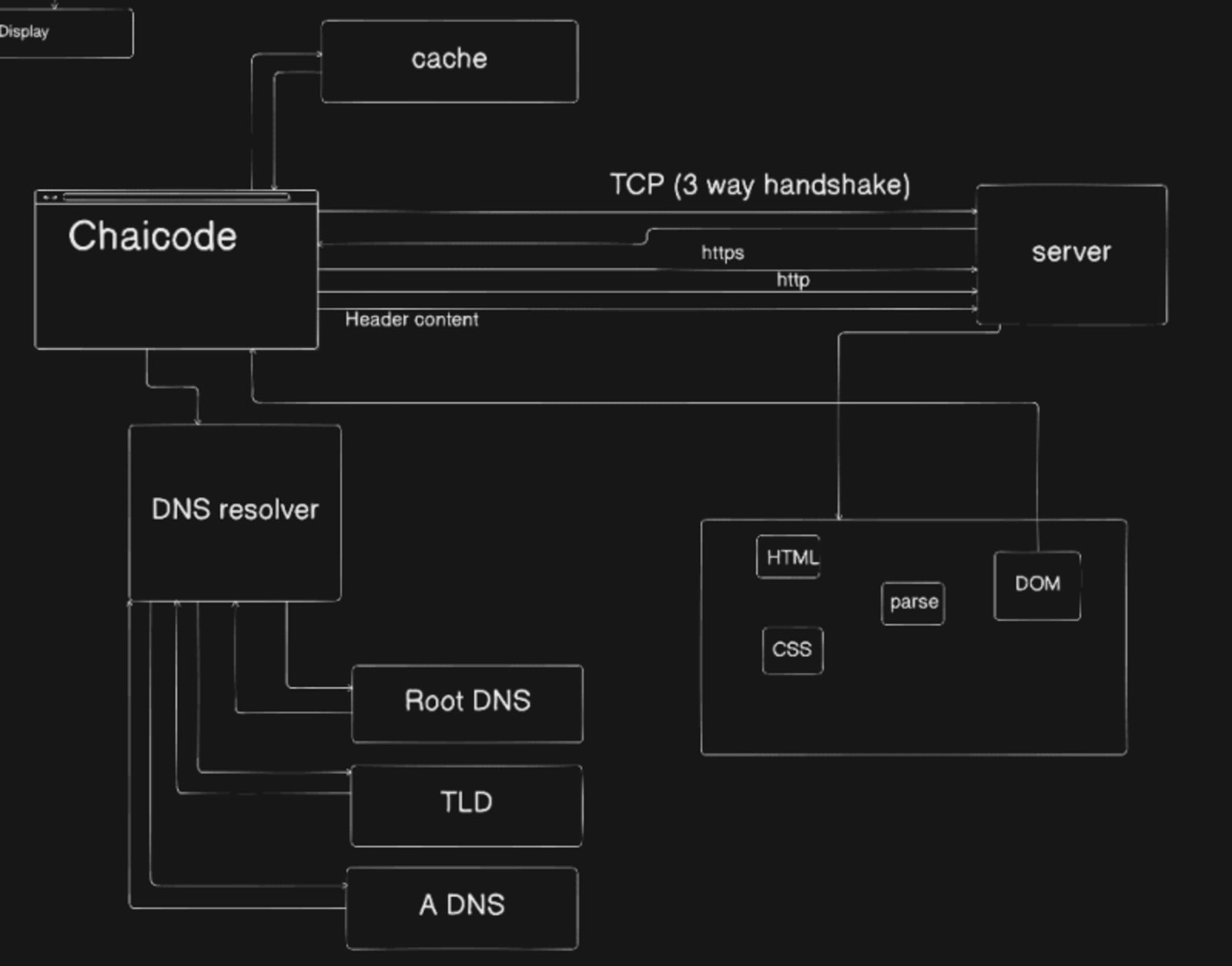
What is Modern Software Engineering?
Modern software engineering refers to the use of advanced technologies, agile methodologies, automation tools, and collaborative practices to design, develop, test, deploy, and maintain software systems efficiently.
Unlike traditional development approaches, modern software engineering emphasizes:
Continuous improvement
Faster delivery
Team collaboration
Automation
Scalability
User experience
Security-first development
Key Characteristics of Modern Software Engineering
1. Agile Development
Agile methodology has revolutionized software development. Instead of waiting months or years to release a product, teams now work in small iterations called sprints.
Benefits of Agile:
Faster product delivery
Better customer feedback
Improved teamwork
Flexible requirement handling
Popular Agile frameworks include:
Scrum
Kanban
Extreme Programming (XP)
2. DevOps Culture
DevOps combines development and operations teams to improve collaboration and automate workflows.
Key DevOps practices:
Continuous Integration (CI)
Continuous Deployment (CD)
Automated Testing
Infrastructure as Code
DevOps helps organizations release software faster while maintaining high quality and reliability.
3. Cloud Computing
Modern applications rely heavily on cloud platforms such as:
Amazon Web Services (AWS)
Microsoft Azure
Google Cloud Platform (GCP)
Cloud computing provides:
Scalability
Cost efficiency
Global accessibility
Faster deployment
Businesses can now build applications without investing heavily in physical infrastructure.
4. Artificial Intelligence and Automation
AI is becoming a major part of software engineering. Developers use machine learning models, intelligent automation, and AI-powered analytics to improve applications.
Examples include:
Chatbots
Recommendation systems
Fraud detection
Smart assistants
Predictive analytics
Automation also reduces manual work in testing, deployment, and monitoring.
5. Microservices Architecture
Instead of building one large application, modern engineers divide software into smaller independent services called microservices.
Advantages:
Easier maintenance
Better scalability
Faster updates
Independent deployment
This architecture is widely used by companies like Netflix, Amazon, and Uber.
Importance of Cybersecurity
As digital systems grow, cybersecurity becomes more critical. Modern software engineering includes secure coding practices to protect applications from cyber threats.
Important security practices:
Data encryption
Authentication systems
Secure APIs
Vulnerability testing
Regular updates
Security is now integrated into every stage of development, often called DevSecOps.
Role of Software Engineers Today
Modern software engineers do much more than coding. Their responsibilities include:
Problem-solving
System design
Team collaboration
Performance optimization
User experience improvement
Security management
Cloud deployment
Engineers must continuously learn new technologies because the industry evolves rapidly.
Emerging Trends in Software Engineering
Low-Code and No-Code Platforms
These platforms allow users to build applications with minimal coding knowledge.
Internet of Things (IoT)
Devices such as smart homes and wearable technology rely on software engineering.
Blockchain Technology
Blockchain improves transparency and security in digital transactions.
Quantum Computing
Although still developing, quantum computing may revolutionize problem-solving capabilities in the future.
Challenges in Modern Software Engineering
Despite technological advancements, engineers still face several challenges:
Managing complex systems
Ensuring software security
Handling massive data
Maintaining scalability
Keeping up with rapid technology changes
Successful teams overcome these challenges through collaboration, innovation, and continuous learning.
Conclusion
Modern software engineering is shaping the future of technology and society. It combines innovation, automation, collaboration, and advanced tools to build powerful digital systems. As businesses continue to move toward digital transformation, the demand for skilled software engineers will continue to rise.
The future of software engineering will likely include even more intelligent systems, automation, and connected technologies. Engineers who adapt to modern practices and continuously improve their skills will play a major role in driving the next generation of innovation.